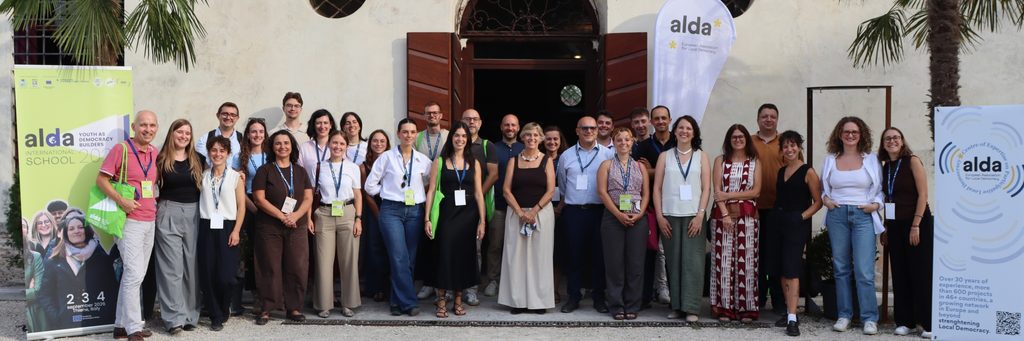
ALDA International School 2026
From 2-4 September 2026, Villa Fabris in Thiene, Italy, once again served as the meeting point for changemakers, policymakers, researchers, and practitioners from across Europe and beyond.
Youth as democracy builders
2026 School was built around a clear central identity: young people as democracy builders at the local level. Rather than approaching youth merely as future citizens or passive beneficiaries of public policies, the School framed young people as key political actors whose inclusion, exclusion, or disengagement will decisively shape the resilience of local democracy in Europe and beyond.
Recent data from the 2024 EU post-election survey reveals a concerning decline in youth electoral participation, with only 36% of those aged 15–26 casting a vote: a trend that signals a widening gap between young people and formal democratic institutions. Yet disengagement from the ballot box does not imply political apathy: surveys also indicate that young people are increasingly turning to alternative forms of civic action, from street protests to petitions, reflecting a broader shift towards hybrid, issue-driven participation.
This evolving engagement is further shaped by digital platforms and social media, which both empower youth mobilisation and expose it to polarisation and disinformation. Yet perhaps the most compelling question is not where young people are disengaging from, but where meaningful change begins. What role do young people play in shaping that change, and how can local institutions rise to meet them?
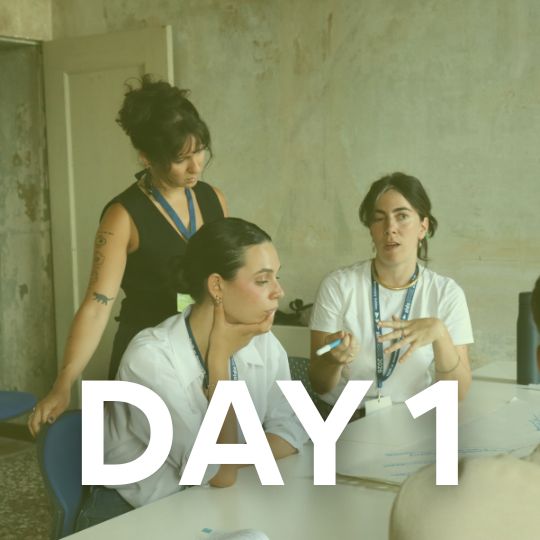
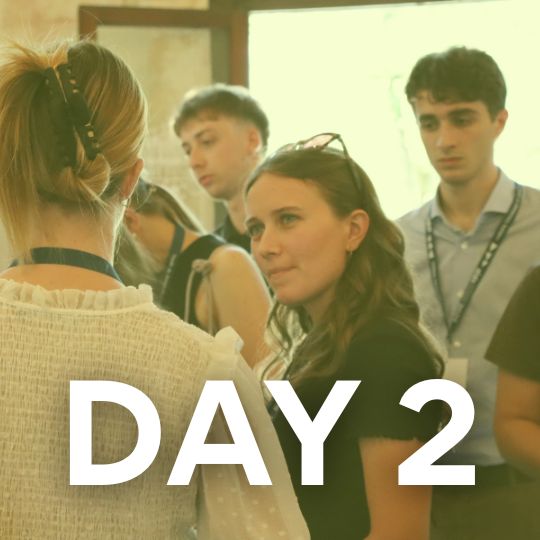
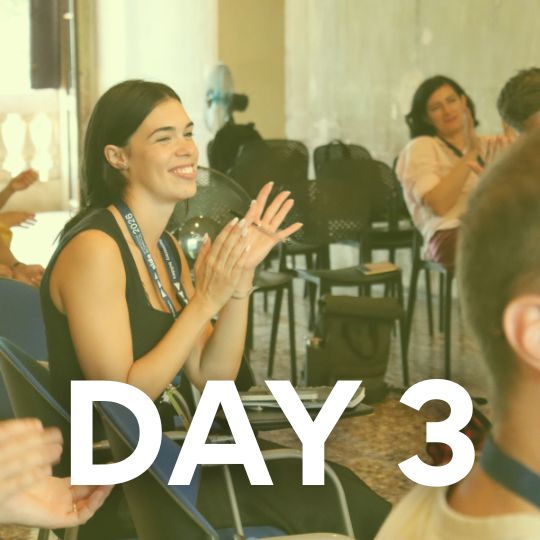
Over three days, participants met expert speakers from across Europe and beyond to analyse the topic through theoretical input, workshops, case studies, cultural exchanges, and a range of activities. A unique opportunity to share perspectives, exchange good practices, and build connections that easily turned into lasting friendships and collaborations. More than just a programme, the School was a space for learning together, celebrating community, and imagining and creating stronger, more resilient democracies.
RELIVE THE 2026 SCHOOL DAY BY DAY
THE SCIENTIFIC COMMITTEE
From 2025 onwards, the International School is guided by a Scientific Committee composed of leading experts in democracy, governance and digital transformation. Their insights ensure a high-quality, cutting-edge program that blends theory with practice, equipping participants with the latest knowledge and innovative tools. Meet the Committee:
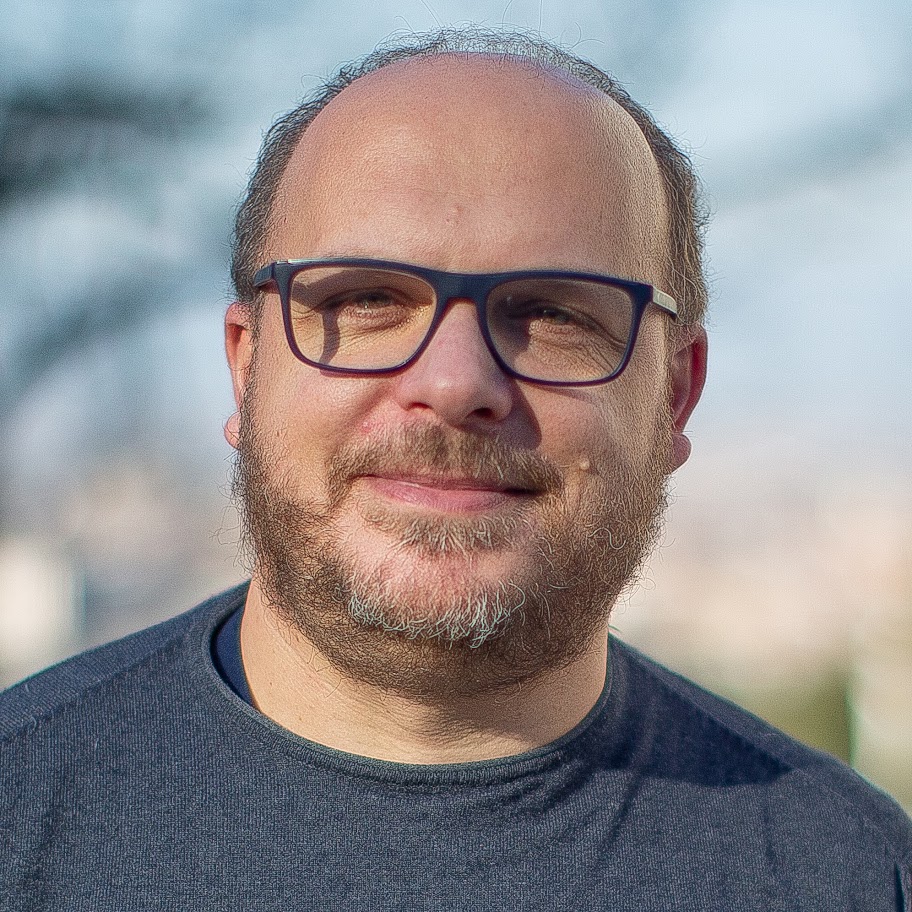
MARCO
BOARIA
Chair of the Scientific Committee
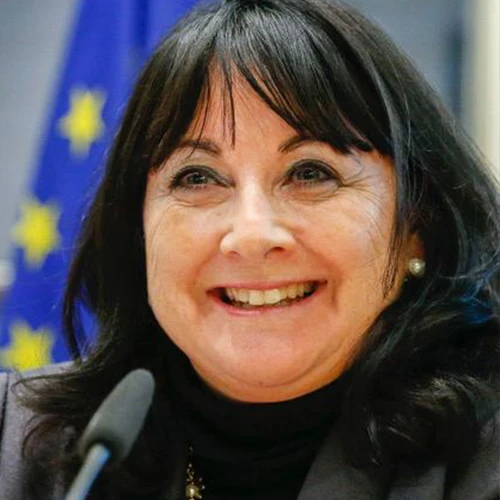
Béatrice Taulègne
Member of the Scientific Committee
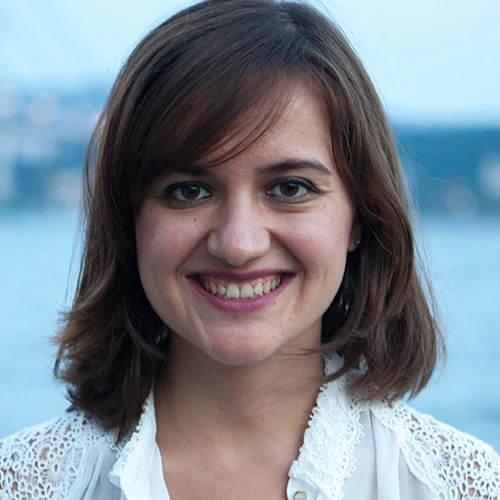
Cana Tülüş Türk
Member of the Scientific Committee
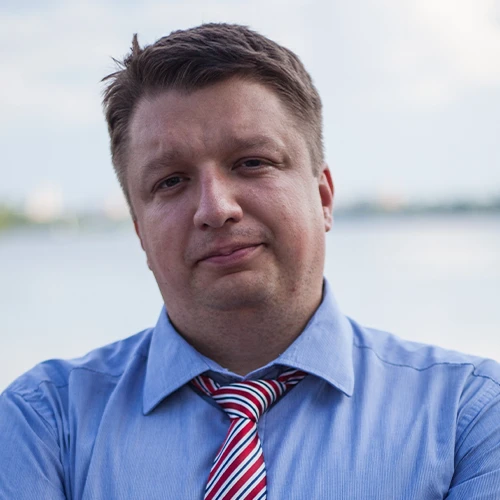
Denys Tkachov
Member of the Scientific Committee
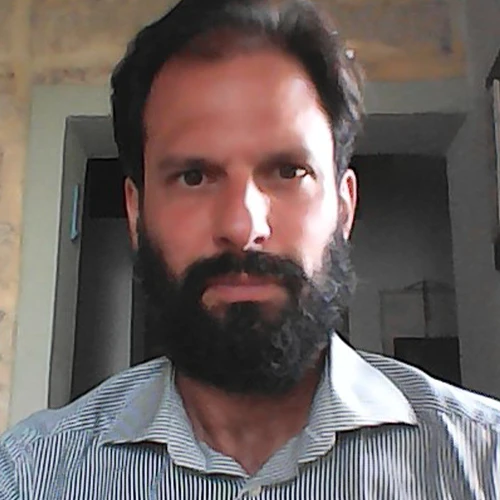
PAOLO GRAZIANO
Member of the Scientific Committee
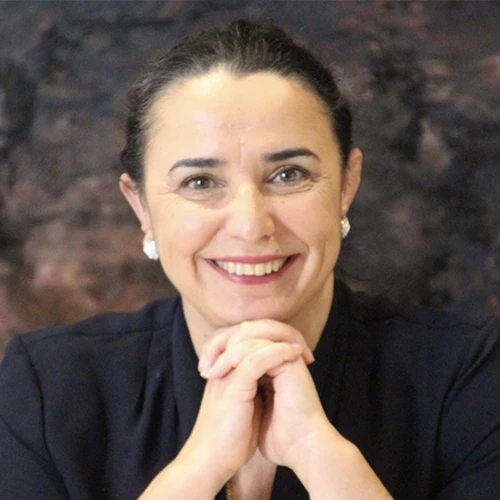
Valbona Karakaçi
Member of the Scientific Committee
HIGHLIGHTS FROM PREVIOUS EDITIONS


Take a look at the highlights from 2024 Summer School, our pilot edition!
Hear what 2024 edition participants have to say:
📩 Get in Touch!
Do you have any questions or need more information about the International School in the mean time? We’re here to help!
Feel free to reach out to us for any inquiries regarding the programme, application process, logistics, or partnership opportunities.
📧 Email us at villafabris@aldaintranet.org or call +39 0444/540146
📲 Follow Us on ALDA Social Media
🔹 Use our hashtag: #ALDAINTSCHOOL🔹 Tag us in your posts and share your thoughts, experiences and key takeaways!